


Heirloom Organic Cape Gooseberry Seeds Aka and 50 similar items
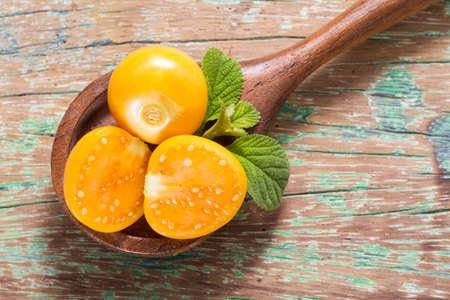
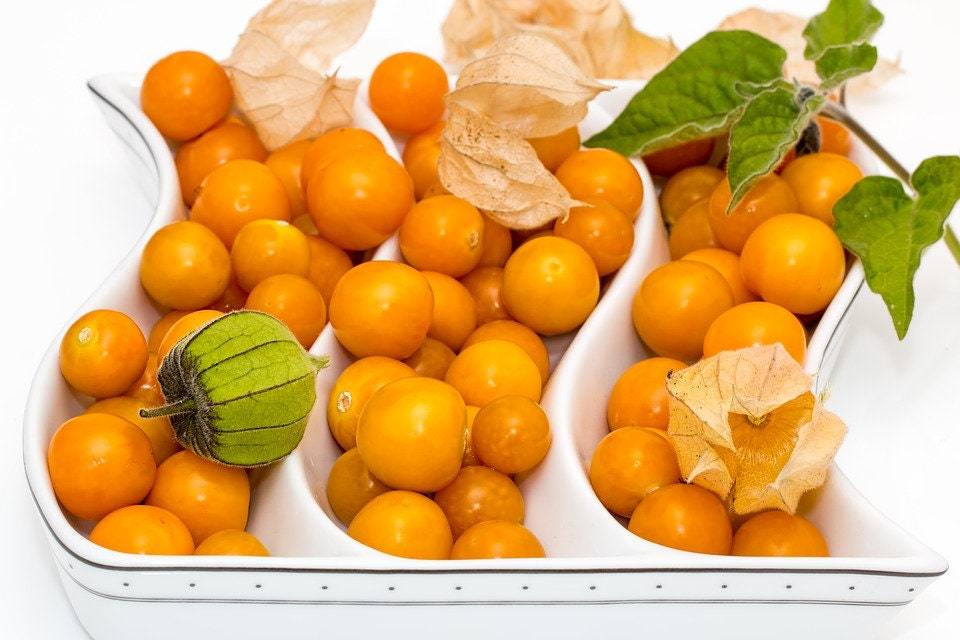
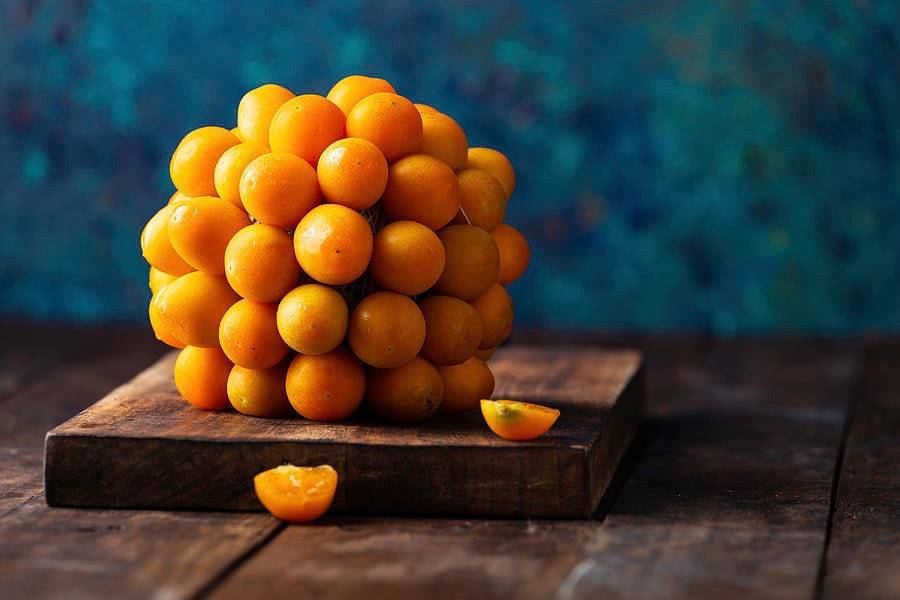
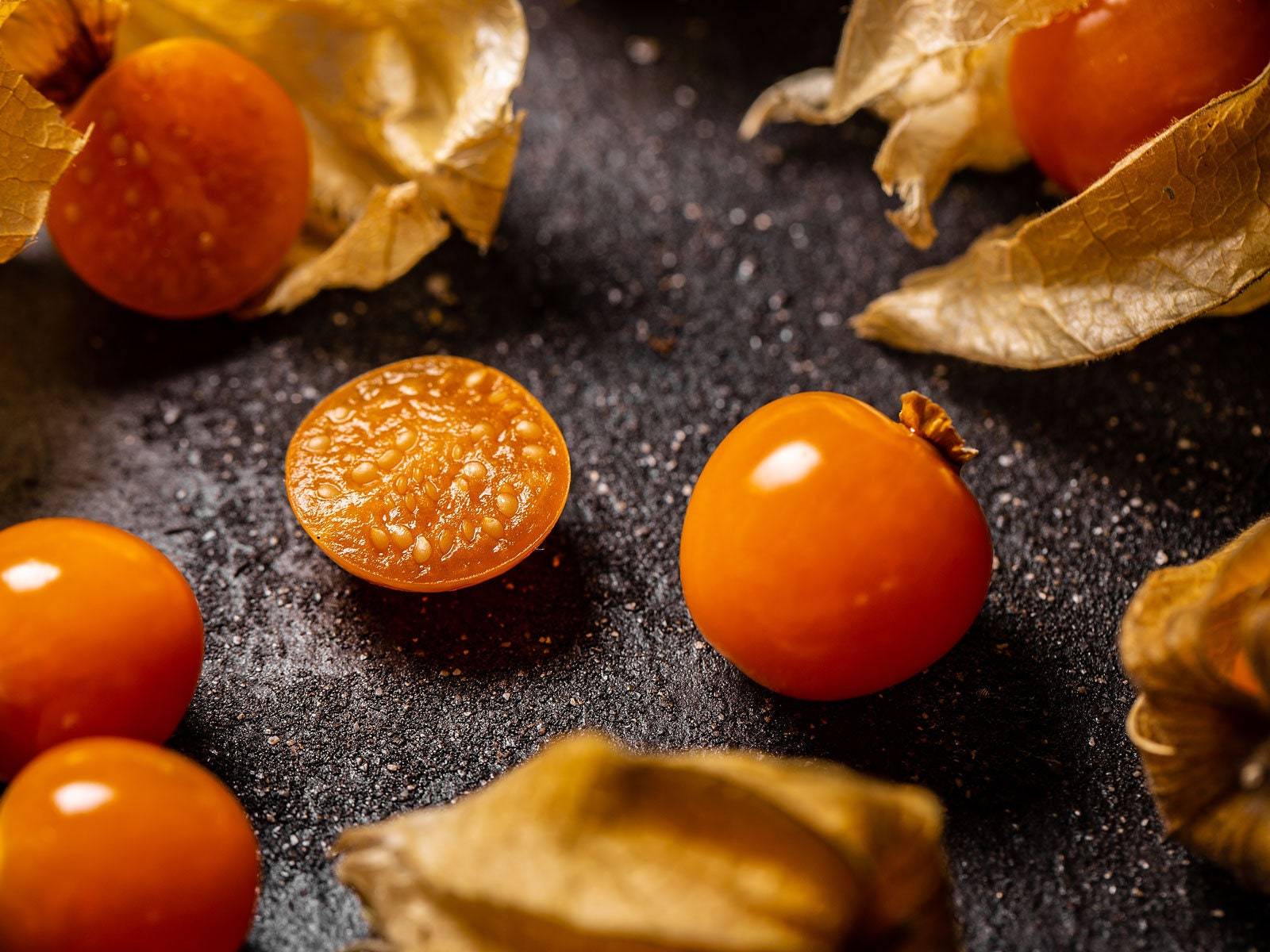
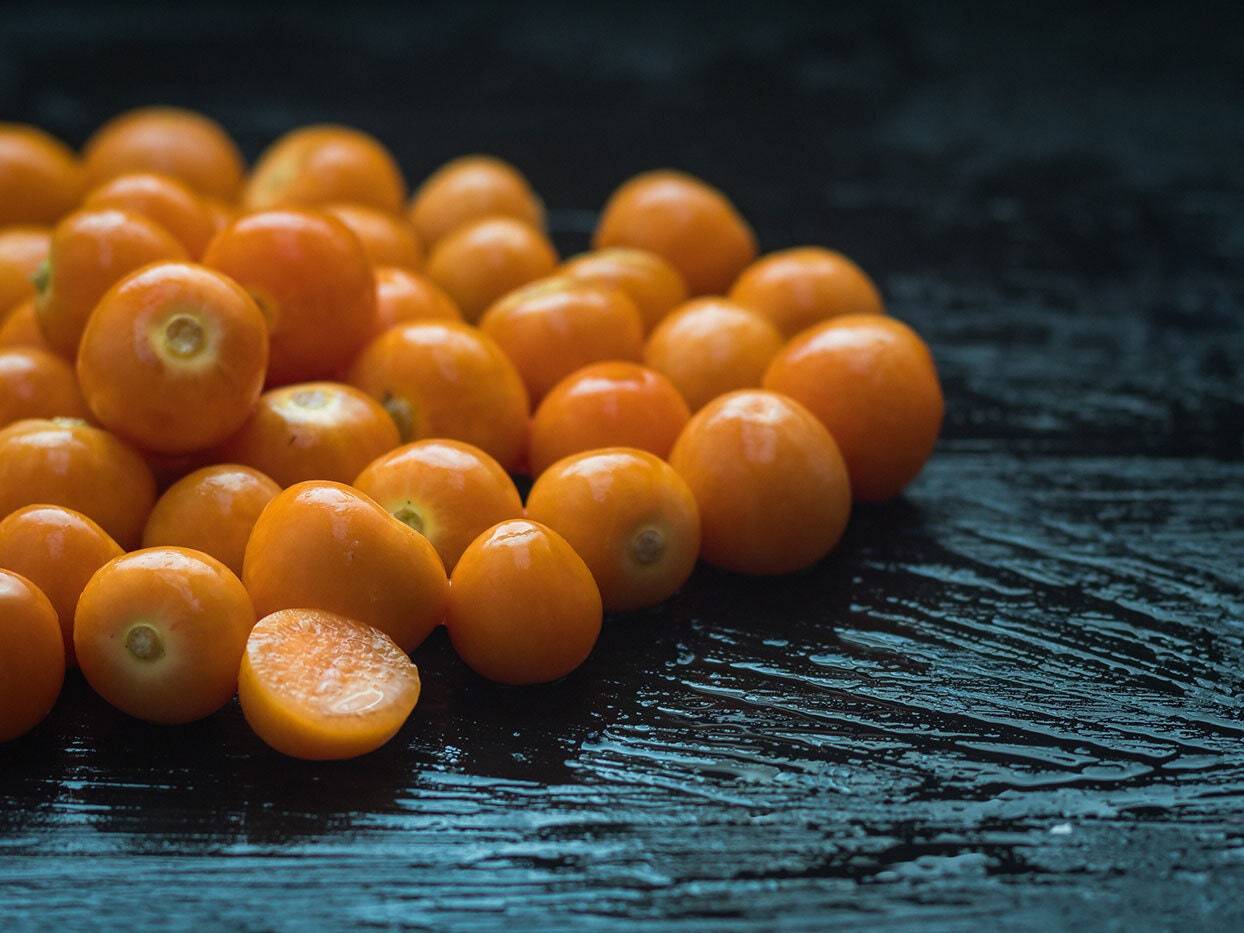

Heirloom Organic Cape Gooseberry Seeds Aka Physalis peruviana, Golden Berry, Ra
$4.95
(It may be possible to pay only $3.46 instead of $4.95 when you
use your bCredits at checkout)
Sign up and get $5.00 bCredits free to use at checkout and another $5.00 bCredits when you make your first purchase. More info
Share & earn! Sign in, share this or any listing, and you’ll get commission when it sells.
Learn more

View full item details »

Shipping options
Offer policy
OBO - Seller accepts offers on this item.
Details
Return policy
Full refund available within 30 days
Purchase protection
Catalog info
Payment options
PayPal accepted
PayPal Credit accepted
Venmo accepted
PayPal, MasterCard, Visa, Discover, and American Express accepted
Maestro accepted
Amazon Pay accepted
Nuvei accepted
View full item details »
Shipping options
Offer policy
OBO - Seller accepts offers on this item.
Details
Return policy
Full refund available within 30 days
Purchase protection
Catalog info
Payment options
PayPal accepted
PayPal Credit accepted
Venmo accepted
PayPal, MasterCard, Visa, Discover, and American Express accepted
Maestro accepted
Amazon Pay accepted
Nuvei accepted
Item traits
| Category: | |
|---|---|
| Quantity Available: |
100 in stock |
| Condition: |
Unspecified by seller, may be new. |
Listing details
| Seller policies: | |
|---|---|
| Shipping discount: |
Shipping weights of all items added together for savings. |
| Posted for sale: |
More than a week ago |
| Item number: |
1137720190 |
Item description
Heirloom Organic Cape GooseBerries Seeds 20
ANCIENT TREASURE, MODERN SUPERFOOD
Health Benefits of Cape Gooseberries
Nutritional Panel of Horti-Pride Cape Gooseberries
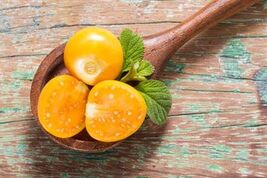
Prized by the ancient Incas for their sweet-sour flavour and nutritional benefits, the humble Cape Gooseberry is loaded with plant-based Vitamin C and many other antioxidant-rich phytonutrients. So much so that modern health gurus praise the golden berry as superfood. Each tiny berry boasts amazing health-benefits such as:
Vitamin A for healthy skin and eyes
Vitamin B to boost metabolism
Vitamin C for immunity
Fibre for gut health
Iron for energy
and much more!
THE WONDERFUL SCIENCE OF CAPE GOOSEBERRIES (AKA PHYSALIS PERUVIANA)
It’s not just the health and fitness industry that’s going crazy over Cape Gooseberries. Scientists in medical fields have conducted numerous studies showing the amazing disease-fighting properties of the Physalis Peruviana. Scientific studies have demonstrated a long list of health benefits including:
disease fighting antioxidants
possible cancer prevention properties (Hydroxywithanolide E)
ability to stabilise blood sugar and assist with diabetes management
sleep-enhancing properties
anti-inflammatory polyphenols and carotenoids
protection against cardiovascular disease, strokes, and cancer
How to Grow Cape Gooseberry
The cape gooseberry goes by many names, ground cherry and goldenberry being the most common. It is part of the family called physalis, a nightshade relative of the tomato and some other ground-growing berries. Its origins are not well known, though it is native to several places, including Peru, Chile, and South Africa. While grown for its fruitful harvest, in most native places, it also grows wild.
Cape gooseberries have leaves that look like hearts and flowers that look like bells, which form a “bladder” over the fruit as it develops. Once matured, the fruit forms a straw-like husk. The shrub grows to a meter in height but if well maintained can reach two meters.
The cape gooseberry is an excellent source of vitamins and is a good source of energy, protein, and phosphorus. It is also rich in polyphenols and carotenoids. The cape gooseberry can be grown in almost any environment and is an easy plant to care for.
Its typical season differs by region: In the south, fruit develops from summer to the next spring, and in central areas, it grows from spring to summer and will bear fruit. In northern areas, fruit will yield from late summer until the first frost. It can handle cold temperatures but is not susceptible to heat, though it may grow some mildew in high moisture climates. The perfect climate for the goldenberry is a moderate temperature.
HOW TO PLANT CAPE GOOSEBERRY
The cape gooseberry is an annual. To yield the most fruit, it is best planted in a low-fertility soil, as in high-fertility soil it will most likely yield useless vegetation. It is adaptable to most soil types and will grow almost anywhere, although it does best in sand or gravel. Cape Gooseberry especially thrives in the sun, in fields, ditches, or among other crops. If you live in a colder region, however, the cape gooseberry will need some protection from frost. Planting them next to a building or a wall will be enough. You can also use plastic row covers. Plant the seeds once, and they will take care of themselves. Cape gooseberry thrives on neglect.
HOW TO CARE FOR CAPE GOOSEBERRY
The cape gooseberry is easy to care for. In fact, it doesn’t need much care at all. The plant does need about 800 milliliters of water daily, and excess water is not good for it. Pruning is not required until after the first harvest. Apart from that, there is not much to do to care for this plant. All you need to do is water it, and cape gooseberry will grow on its own.
HOW TO HARVEST CAPE GOOSEBERRY
The goldenberry has many harvests in a season. Flowering can last up to 75 days after seeding, and the first harvest usually occurs up to 100 days after that. It takes months for the fruit to ripen. When it does, it will produce fruit for up to three years, but after the first year, the fruit is usually smaller. Some fruit will fall to the ground, and if still in the husk, it will remain edible up to several days.
?PESTS AND DISEASES
Usually, bugs are not an issue until the goldenberry grows large. In certain areas, if well maintained, pests are not an issue. Birds do consume the fruit, however. If planted in a high-moisture climate, mildew may form on the fruit. This can also happen with excessive rainfall. This plant can sometimes fall victim to tobacco mosaic virus, giving its leaves distinct bacterial leaf spots.
VARIETIES OF CAPE GOOSEBERRY
There are five varieties of this plant. The giallo rosso has fruit that is best eaten raw. And if grown in an area with a mild winter, it will last several years. The giant gets its name because it can grow up to five feet and has large and delicious-tasting fruit, though it requires more time to grow. The giant poha berry has fruit that grows an inch in diameter. Its leaves are different from the other plants of the same family and are fuzzy and grayish in color.
The golden berry has fruit that can grow to two inches in diameter. The pulp of the fruit is also much sweeter and full of flavor. It is resistant to frost, unlike the other varieties. However, it does take a year and a half to bear fruit. The long aston is actually a selection of golden berry. It has a rich golden color, unlike other types.
Unfortunately, few people grow cape gooseberry for commercial farming. This might be because the fruit would be hard to ship—but it is perfect as a local farming crop. In its native homes, it is common to see cape gooseberry grown in such a way. The plant has many uses, jams being one of the best, and for centuries, people have used it as a diuretic and also as an antiasthmatic treatment. In South Africa, they grind the leaves into medicine for inflammation. In Australia, they use the leaves for enemas for abdominal relief in children. Cape gooseberries have medicinal as well as nutritional value.
Physalis peruviana, is a South American plant in the nightshade family (Solanaceae) commonly known as Cape gooseberry, goldenberry, and poha, in addition to numerous indigenous and regional names. The history of P. peruviana cultivation in South America can be traced to the Inca. It has been cultivated in England since the late 18th century, and in South Africa in the Cape of Good Hope since at least the start of the 19th century. Widely introduced in the 20th century, P. peruviana is cultivated or grows wild across the world in temperate and tropical regions.
The plant was grown in England in 1774 and by early settlers of the Cape of Good Hope before 1807. Whether it was grown there before its introduction to England is not known, but sources since the mid-19th century attribute the common name "Cape gooseberry" to this fact.[8][9] One suggestion is that the name properly refers to the calyx surrounding the fruit like a cape, possibly an example of false etymology, because it does not appear in publications earlier than the mid-20th century. Not long after its introduction to South Africa, P. peruviana was introduced into Australia, New Zealand, and various Pacific islands. Despite its name, it is not botanically related to other gooseberries, such as those of the genus Ribes.
P. peruviana has dozens of common names across the world in its regions of distribution. For example, in Peru it is known as aguaymanto in Spanish, or topotopo in Quechua. In neighboring Colombia, it is known as uchuva. In northeastern China Heilongjiang Province, it is informally referred to as deng long guo ("lantern fruit"). In French, it is called amour en cage ("love in a cage"), as well as other possible names, such as coqueret, alkékenge, or lanterne chinoise ("Chinese lantern") (also used for other Physalis, such as Physalis alkekengi), cerise de terre ("earth cherry"), or tomatillo (also used for Physalis philadelphica).
|
Why are we showing these items?
Booth
Shortcake Farms |

|






-
Refine your browsing experience
We can show you more items that are exactly like the original item, or we can show you items that are similar in spirit. By default we show you a mix.














This item has been added to your cart
 Heirloom Organic Cape Gooseberry Seeds Aka Physalis peruviana, Golden Berry, Ra added to cart.
100 available in stock
Heirloom Organic Cape Gooseberry Seeds Aka Physalis peruviana, Golden Berry, Ra added to cart.
100 available in stock
View Cart or continue shopping.
 Please wait while we finish adding this item to your cart.


Get an item reminder
We'll email you a link to your item now and follow up with a single reminder (if you'd like one). That's it! No spam, no hassle.
Already have an account?
Log in and add this item to your wish list.


