


Heirloom Organic Chioggia Guardsmark Beet and similar items
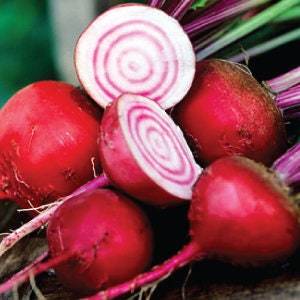
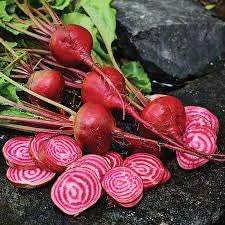
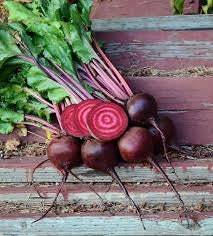
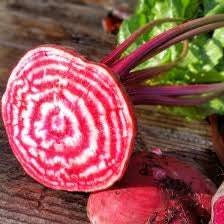
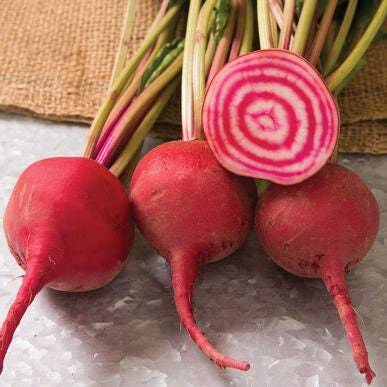
Heirloom Organic Chioggia Guardsmark Beet Seeds (Aka Bullseye Beet)
$4.95
(It may be possible to pay only $4.01 instead of $4.95 when you
use your bCredits at checkout)
Sign up and get $5.00 bCredits free to use at checkout and another $5.00 bCredits when you make your first purchase. More info
Share & earn! Sign in, share this or any listing, and you’ll get commission when it sells.
Learn more

View full item details »

Shipping options
Offer policy
OBO - Seller accepts offers on this item.
Details
Return policy
Full refund available within 30 days
Purchase protection
Payment options
PayPal accepted
PayPal Credit accepted
Venmo accepted
PayPal, MasterCard, Visa, Discover, and American Express accepted
Maestro accepted
Amazon Pay accepted
Nuvei accepted
View full item details »
Shipping options
Offer policy
OBO - Seller accepts offers on this item.
Details
Return policy
Full refund available within 30 days
Purchase protection
Payment options
PayPal accepted
PayPal Credit accepted
Venmo accepted
PayPal, MasterCard, Visa, Discover, and American Express accepted
Maestro accepted
Amazon Pay accepted
Nuvei accepted
Item traits
| Category: | |
|---|---|
| Quantity Available: |
99 in stock |
| Condition: |
Unspecified by seller, may be new. |
Listing details
| Seller policies: | |
|---|---|
| Shipping discount: |
Shipping weights of all items added together for savings. |
| Posted for sale: |
More than a week ago |
| Item number: |
1137720311 |
Item description
Heirloom Organic Chioggia Guardsmark Beet Seeds (Aka Bullseye Beet)
Bullseye Beet Seeds (15)
The Chioggia is an old time Italian heirloom beet! The first thing you notice about Chioggia beet is the unique bull’s eye pattern it displays once cut. Not only is it the most beautiful of the beets but it has delicious sweet flavor. Dates back to the early 1800’s from the Italian fishing town Chioggia, near Venice. Produces tasty green leaves that are similar to spinach in taste. Beet has pale red skin and grows to 2-3? wide. Best eaten young when most tender and sweet.65 days. An Italian home garden variety with light red, slightly-flattened roots and striking interior rings of alternating bright pink and white. A feast for the eyes, the 2 inch round globes are also a sweet treat. With green tops and red stems, they are a colorful addition to dinner plates.
60 days from sowing.
Well, here's a whole new look in beets . . . though technically it's a very OLD look! Chioggia is an heirloom beet from Italy, renowned for its unusual bullseye stripes of red and white as well as for its sweet, peppery flavor. Guardsmark builds on that heritage by adding modern vigor, higher yields, and larger fruit size. And somehow along the way, those dark red rings have turned a neon shade of magenta!
But Chioggia Guardsmark is not simply a beet masquerading as a red onion. Its flavor is so sweet and mild that even children love it, yet its peppery afterbite has enough "true beet" tang to satisfy adults. These 3- to 3 1/2-inch diameter globes add spectacular plate appeal to any dish, and their flavor is a satisfying base for soups and stews as well as whole eating. And the greens are delicious as well -- packed with nutrition and very mildly flavored. You will love this "bullseye" beet!
Beets are a cool-weather crop, direct-sown in fall or as soon as soil can be worked in spring. Before planting, make sure that the soil is as loose, rich, and well drained as possible, so that the root can grow without stress.
Root Crops
Root crops are popular with both commercial growers and home gardeners because they're versatile, delicious, and in many cases, perfect for canning or over-winter storage. Beets, Radishes, Turnips, and Carrots contain numerous vitamins and nutrients, offer a wide range of flavors and textures, can be enjoyed raw or cooked, and are wonderfully easy to grow!
Choosing Root Crop Varieties
When choosing which Beets or Radishes to grow there are several factors you will want to take into consideration. First of all, both come in a variety of interesting shapes and beautiful colors, so pick whatever appeals to your eye! Also, Radishes offer varying degrees of heat and Beets have flavors that range from earthy to sweet. Smaller Beets are usually the best for canning and pickling, and many people enjoy the nutritious Beet greens as well as the root itself. As far as choosing a type of Carrot to plant, you will be deciding mostly by color and shape.
When to Start Root Crops
Direct sow your root crops in early spring or late summer. They're cool-weather crops, most preferring temperatures of around 70 degrees F in order to germinate. All but Carrots will germinate in a week to ten days. Carrots can take up to 3 weeks.
How to Start Root Crops
Direct sowing is preferable to transplanting because there is less root disturbance. Before sowing, cultivate deeply.
Beets: Soak the seeds in warm water for 24 hours before sowing -- this will aid in germination. Early spring is the typical time to sow your Beets, but in zones 9 to 10 you can sow outdoors in the fall. Sow at a depth of 4 times the size of the seeds, planting successively at 3-week intervals for crops throughout the season. Site in full sun in a loose, rich, well-drained soil. Expect germination in 10 to 15 days and harvests within 50 to 60.
Radishes: Early spring is the typical time to sow your Radishes, but in zones 8 and warmer you can sow outdoors in the fall for a winter crop. Sow at a depth of 4 times the size of the seeds, planting successively at 2-week intervals until mid-spring and then again in late summer. Site in full sun in a loose, rich, sandy, moist, well-drained soil. Expect germination in 6 to 10 days.
Carrots: Early spring is the typical time to sow your Carrots, but in warm climates you can sow outdoors in the fall for a fall crop. Sow at a -inch depth, planting successively at 3-week intervals until early summer. Site in full sun in rich, loose, deeply worked and well-drained soil. Expect germination in 14 to 21 days.
Turnips: Sow in early spring after all danger of frost is past but while the ground is still cool. You can make successive sowings up to 5 weeks before temperatures are above 80 degrees F, then again in late summer if you want a fall harvest. In zones 8 and warmer you can also sow from early fall through spring for continuous crops over the winter. Sow at a depth of 4 times the size of the seeds. Site in full sun in fertile, moist, well-drained soil. Expect germination in 8 to 10 days.
Special Considerations
Apply mulch or soil around the tops of the roots to eliminate green shoulders.
Thinning out seedlings is particularly important when dealing with Beets, as each Beet“seed ”is actually a fruit that harbors several seeds. Remove the smaller, weaker seedlings and allow the stronger ones to grow. The ones that have been removed can then be used as greens.
Crowding and insufficient water can cause Radishes to bolt or fail to form a bulb.
Carrots -- Young seedlings are weak and slow growing, so if a heavy rain occurs after your seeds have been sown and the surface of the soil becomes packed, you may not have any seedlings emerge.
Keeping weeds under control is especially important during the first few weeks after planting. Be careful to only do shallow cultivation, however, as digging too deeply can injure tender roots.
Growing Tips: Beets, Radishes, Turnips, Carrots
Most root crops prefer loose soils and cool temperatures.
Beets:
Fertilize prior to planting your Beets and again when the plants are 3 to 4 inches tall. Keep the plants well watered.
You can harvest your Beets at any time during their growth cycle, but they are typically most tender after 40 to 50 days, when they're between 1 to 2 inches in diameter. The greens are best if picked when they're about 4 to 6 inches tall.
Leave at least an inch of foliage on the Beet root when you harvest. This will prevent bleeding during cooking.
Beet roots and greens will keep in your garden for 2 to 3 weeks after they have matured, and once harvested, the roots will keep for up to a month (store near freezing, with high humidity to prevent wilting).
Radishes:
Use a liquid fertilizer prior to planting your Radishes and then again every 2 weeks. Keep the plants well watered.
Radish leaves can also be harvested. They're best when young, about to 1 inches across. You can cook them or add them fresh to a mixed salad.
Turnips:
Fertilize prior to sowing your Turnips and again when the plants are about 4 inches tall.
Turnip greens are also quite popular and are best harvested when young and tender. The roots themselves should be harvested when they're about 2 inches across.
Carrots:
Carrots are typically sown using two different methods. The first is to plant in single-file rows. The other way is to scatter the seeds in areas up to 12 inches wide. Both methods work quite well, but the second one provides higher yields.
Since Carrots are slow to germinate (keep soil moist throughout germination), you can mix faster-germinating veggies such as Radishes or Lettuce with the Carrot seeds. This not only marks the area for watering and weeding but these other seeds can help break up any crusting on the soil surface, making growth easier for your Carrots. You'll harvest these other veggies before they have a chance to crowd the Carrots.
Apply a 1- to 3-inch layer of dried grass clippings, well-rotted compost, or other organic mulch around the base of your Carrots once they've emerged and are growing well. This will conserve moisture, regulate soil temperatures, reduce weeds, and help prevent the tops of the roots from turning green or purple. These discolored areas will have a slightly bitter taste.
Carrots are harvested from baby size to full grown, and their leafy tops are used to flavor soups and other dishes.
Foliage growth in Carrots can be misleading, so don't use that as an indication of root size. Loosen the soil around the top of the carrot, and if the roots are finger-sized or larger, they're ready to eat.
Store your Carrots at 32 to 40 degrees F, or in fall and winter, just leave them in the garden until you want them.
Loading

This item has been added to your cart
 Heirloom Organic Chioggia Guardsmark Beet Seeds (Aka Bullseye Beet) added to cart.
99 available in stock
Heirloom Organic Chioggia Guardsmark Beet Seeds (Aka Bullseye Beet) added to cart.
99 available in stock
View Cart or continue shopping.
 Please wait while we finish adding this item to your cart.
Get an item reminder
We'll email you a link to your item now and follow up with a single reminder (if you'd like one). That's it! No spam, no hassle.
Already have an account?
Log in and add this item to your wish list.


